
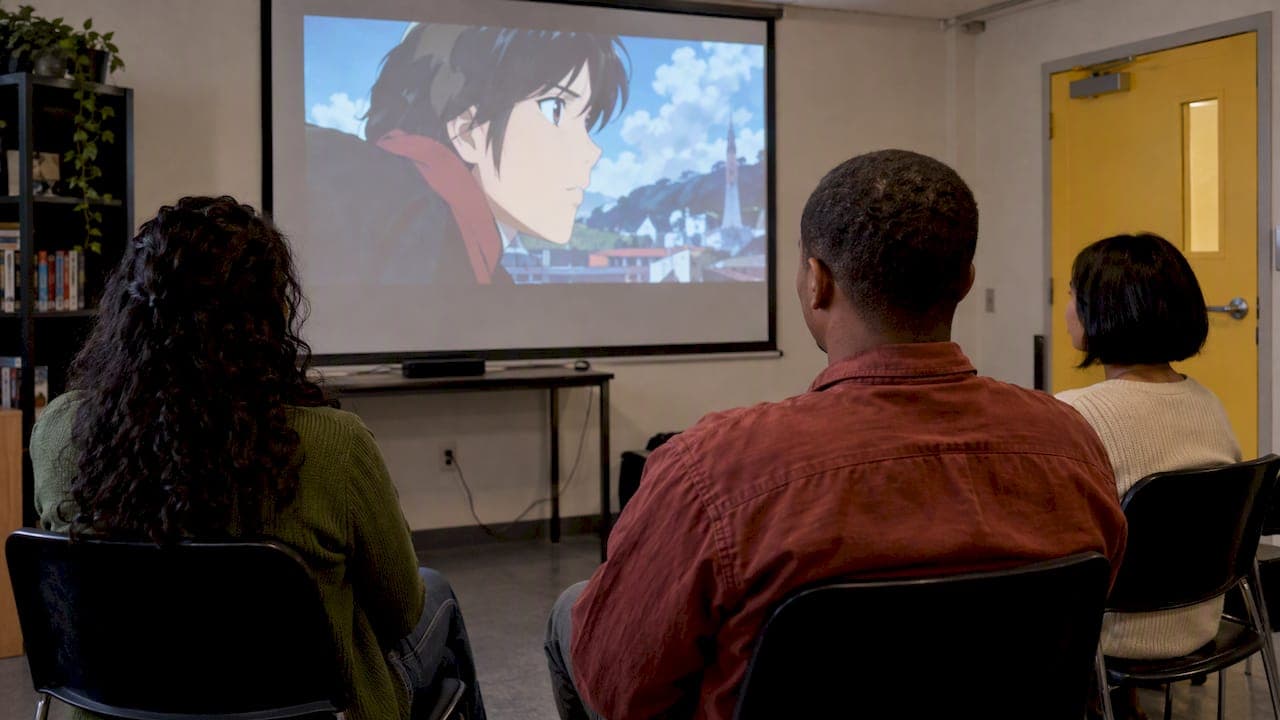
The fastest way to find an anime club is to check three places in order: your public library's event calendar, the bulletin boards and event shelves at local comic and game shops, and online groups that organize in-person hangouts for your city. Most clubs are free or cheap, meet weekly or monthly, and welcome beginners. This guide shows where to look, what happens at a meeting, how to handle age rules, and how to tell a good club from a dead one.
TL;DR
- Search "anime club" plus your city, then check library calendars, comic shops, game stores and campus organizations.
- Expect screenings, manga reading, games, trivia and hangouts, usually weekly or monthly.
- Many school and library clubs are free, but some are limited by age or enrollment. Always check the age range first.
- Under 18? Stick to library, school, community-center or clearly moderated teen groups, and get a guardian's OK for off-campus meetups.
- Try one or two meetings before committing. A good club is welcoming, organized and active.
Table of Contents
- Where to find an anime club near you
- What anime clubs actually do
- Manga meetups: what they are and how to find them
- Teens: how to find a club that fits your age
- Cost and registration
- In-person or online?
- How to pick a club worth joining
- Our perspective on finding fan communities
- Find your people with Fanboys
- A simple plan for your first month
- FAQ
- Sources
Where to find an anime club near you
There is no single national list of anime clubs, because most of them are small, volunteer-run and local. That is why "anime clubs near me" turns up a patchwork of results. A reliable approach is to search "anime club [your city]" and then check the physical places where fans already gather. Public libraries, community centers, comic shops and bookstores are the usual hosts, and social platforms and chat servers are common ways to find the people behind them.
Public libraries
Libraries are the most underrated starting point, especially for teens. Many branches run recurring anime and manga programs, and you can filter their calendars by age group or by keyword. For example, a Kansas City, Kansas library branch has run a teen anime club that screens a series, serves snacks and keeps the matching manga on hand to read or check out. The New York Public Library lists an Anime & Manga Club for teens and young adults with group viewing, arts and crafts, games and tours of the library's manga and graphic novel collections. Programs like these change by season, so check your own library's events page for the current schedule.
Colleges and universities
If you are a student, your campus almost certainly has one. Student clubs tend to be the most organized and the most active. The CSULB Anime Club meets weekly in person during the school year, with screenings, games, trivia, giveaways and optional hangouts afterward. Some campus groups limit active membership to enrolled students, so read the membership page before you show up.
Comic shops, game stores and bookstores
Local shops are the connective tissue of fan culture. Staff know which groups meet nearby, and many stores host game nights, release parties or manga discussions themselves. Ask at the counter, check the community board, and look at the store's event calendar. If you live in a bigger market, our city pages can shortcut the search: browse comic stores in Denver, Seattle, Portland or Boston, then ask about local clubs and meetups.
Online groups that lead to real-life meetups
Online groups and chat servers work well when your area has no obvious club. They let you see how members talk to each other before you commit to showing up in person. Some groups run both: they use online channels to plan hangouts and discussions that turn into in-person meetups. City subreddits and local social groups are full of posts like "looking for anime friends in my city," and the replies often point to a group you would not have found otherwise.
What anime clubs actually do
The stereotype is a dark room and a projector. The reality is wider. Common activities include watching anime, reading manga, karaoke, cosplay and tabletop games. The mix depends on who runs the club and where it meets.
Here is how that looks in practice at a few real clubs:
| Club type | Typical meeting rhythm | What happens |
|---|---|---|
| University club (CSULB) | Weekly during the school year | Screenings, games, trivia, giveaways, optional hangouts |
| University organization (Penn State) | Regular meetings twice a week, plus extra events several times a month | Anime viewings, food nights, seasonal dances |
| Library teen club | Often twice a month or monthly | One episode or film, snacks, manga to read or borrow |
| Adult social group | Monthly or irregular | Bar or cafe hangouts, discussion nights |
The Penn State group says its regular meetings happen twice weekly and that additional activities through the month can include viewings, food nights and dances. Frequency varies widely: clubs can meet weekly or monthly, so confirm the rhythm before you plan around it.
The best clubs go beyond screening shows. One club-starter guide argues that clubs should aim to build friendships and teach members something, through cultural meetings or panels, rather than only watching episodes. That matches what most people want: a reason to show up, and people worth showing up for.
Manga meetups: what they are and how to find them
Manga meetups are usually quieter and more conversational than anime screenings. You read, trade recommendations and talk about what you are into. To find one, search for terms like "manga club" or "manga discussion" on library event pages, bookstore calendars and online event platforms. Meetups may include discussions or drawing workshops.
Penn State's Manga Night is a clear example: it meets every Wednesday from 7 to 9 p.m., attendees read from the club's manga library and talk about what they are reading or watching, and there are occasional special events such as art nights, cosplay workshops, karaoke and guest presentations. If you are not near a campus, a bookstore with a strong graphic novel section or a comic shop is the best place to start asking.

Teens: how to find a club that fits your age
Age rules matter more with anime clubs than with most hobby groups, because some meet at bars and discuss mature content. A few things to check:
- Look for the right venue type. Teens should look for school, library, community-center or clearly moderated teen groups.
- Read the age range. Library programs usually state it. The Kansas City, Kansas club above was for registrants age 11 to 18, and some libraries require registration.
- Get permission for off-campus meetups. If you are under 18, a parent or guardian should approve meetups away from school or library grounds.
- Watch for 21+ groups. AnimeChicago, for example, requires members to be at least 21 because its activities are not suitable for minors, it often discusses mature topics and it meets at bars. That is a fine setup for adults, but not for a teen.
Parents looking for a group for a younger fan should start with the library's teen or youth services desk. Staff can tell you which programs are running and whether supervision is built in. If you are a school student, ask a teacher or librarian about starting a club on campus.
Cost and registration
Most clubs are free or cheap, but rules differ. Penn State's organization says it charges no membership dues and meetings are free, though active members must be currently registered students at that campus. Library clubs are typically free but may ask for registration. Other community groups may ask for a small fee or a donation toward snacks or a venue. If a club earns money from events, it is a good idea to donate to the hosting location, so you may see a tip jar or a request to buy something at the venue. Always ask what is expected before the first meeting.

In-person or online?
Both work, and many fans use both.
- In person gives you face-to-face connection and local events: screenings, game nights, conventions and cosplay meetups.
- Online lets you take part from anywhere and gives you a chance to vet a community before committing to meet in person. It also suits niche tastes that your town may not have enough fans for.
A sensible route: join an online group first, watch how people behave for a week, then go to one in-person event. If you are meeting strangers from the internet, pick a public venue and tell a friend where you are going.
How to pick a club worth joining
Before you commit, run through this checklist:
- Is it active? Look for events posted in the last month or two, not just a group page with old photos.
- Is the space right? Smaller rooms, such as a separate room in a cafe, can keep conversations private while staying social. A loud bar is worse for talking and is not an option for minors.
- Is the age policy clear? A good club states it up front.
- Does the content fit you? Some clubs watch family-friendly series, others pick mature titles. Check what is on the schedule.
- Do you feel welcome? Show up once. If a newcomer gets ignored, try another group.
Beginners should not worry about their watch list. Most clubs rotate shows, and many treat each screening as a standalone event, so you will not be lost if you miss a week.
Our perspective on finding fan communities
Anime clubs are a lot like comic shops: the best ones are local, a little scrappy and run by people who care. The trouble is that they are scattered across library pages, campus sites, shop counters and social posts, so fans who want to connect often give up after one search.
That is the gap we built Fanboys to close. Our approach is community-driven: fans and shop owners add the stores and events they know, so listings reflect what is actually happening in a city, not what a national directory scraped months ago. We think the people who live there know best.
If you are looking for a club, start with the places that already host fans, and use the shop and event listings on Fanboys to find them in your city. If you know a club or meetup that is missing, add it. Every listing makes the next newcomer's search easier.
Mike
Find your people with Fanboys
Fanboys is a local discovery platform for fans. You can search by fandom and location to find comic shops, collectible stores, game nights, conventions and community events near you. Shops are often the quickest route to a club, so start with your city. Here are some places to begin: comic stores in Los Angeles, game stores in Denver, game stores in Seattle and game stores in Portland.

Want to see more of what local shops are up to? Watch comic shop and collector reels, or head to the Fanboys homepage to search your area. Running or attending a club that is not listed? You can add stores and events yourself.
A simple plan for your first month
- Week one: Search "anime club" plus your city. Check your library calendar and any campus organizations.
- Week two: Visit a comic shop or game store and ask about local groups. Check for flyers and event boards.
- Week three: Join one online group and read the recent posts. Confirm the age policy and meeting spot.
- Week four: Attend one meeting. Bring a friend if you can, and stay for the hangout afterward, since that is where friendships start.
If the first club is not a match, try a second. Meeting style, show selection and crowd vary a lot, and finding the right fit is normal.
FAQ
How do I find anime clubs near me?
Search "anime club" with your city name, then check library event calendars, community centers, comic shops and bookstores. Online groups and chat servers can point you to local meetups too. If you are a student, check your campus's student organization list first.
Are there anime clubs for teens?
Yes. Libraries, schools and community centers often run teen programs, and some state an age range such as 11 to 18. If you are under 18, check the age requirement and get a parent or guardian's permission for meetups away from school or library grounds. Avoid groups that meet at bars or are limited to adults.
Do anime clubs cost money?
Often not. Some campus clubs charge no dues, and library programs are typically free, though a few ask for registration. Community groups may request a small contribution for snacks or the venue, so ask before you go.
What happens at a manga meetup?
It is usually relaxed: you read manga, discuss what you are into and swap recommendations. Some meetups add drawing workshops, art nights or cosplay workshops. Check library pages, bookstore calendars and local comic shops for a group near you.
Sources
- How to Join Anime Clubs, UMA Technology
- Teen Anime Club, Kansas City, Kansas Public Library
- Anime & Manga Club: Japanese Arts & Culture, The New York Public Library
- CSULB Anime Club
- FAQ, Penn State Anime Organization
- Manga Night, Penn State Anime Organization
- Programs, AnimeChicago
- Anime club, Wikipedia
- Club Starter Kit, Anime Clubs Unite